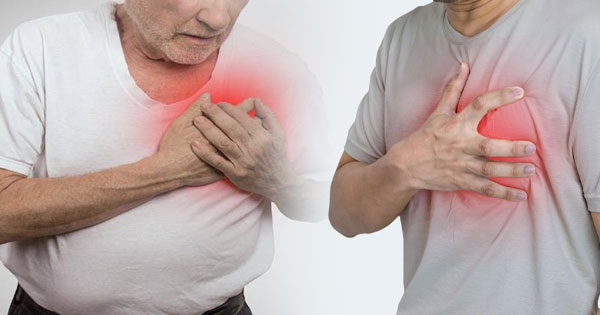
Chest pain is one of the most common complaints that leads people to the emergency room. It is often associated with heart attacks, but in reality, not all chest pain is linked to heart problems. For those experiencing chest discomfort, knowing when to seek medical attention and when to simply rest can be challenging. While many people associate chest pain with heart attacks, there are several other conditions that can cause chest discomfort, ranging from muscle strains to digestive issues.
As an experienced interventional cardiologist in Hyderabad, I frequently encounter patients who come to me, worried that their chest pain may be a sign of a heart attack. In this blog, we’ll dive into the different types of chest pain, explore common causes, and help you understand when you should seek medical advice. After all, chest pain is an alarm bell for your body – but the urgency varies depending on the root cause.
Chest pain can be categorized into two broad categories: cardiac (heart-related) and non-cardiac. While heart attacks often make the headlines, non-cardiac causes of chest pain are far more common. Here’s an overview of both:
A heart attack occurs when the blood supply to part of the heart muscle is blocked, typically by a blood clot in a coronary artery. This is the most well-known cause of chest pain and is often described as a squeezing, tight sensation in the chest. The pain may radiate to the left arm, jaw, neck, or back. Other symptoms include shortness of breath, cold sweat, dizziness, and nausea. If you experience any of these symptoms, it’s crucial to seek immediate medical attention.
Angina refers to chest pain caused by reduced blood flow to the heart muscle. Unlike a heart attack, angina doesn’t cause permanent damage to the heart but is a warning sign of potential heart disease. The pain often occurs during physical exertion or emotional stress and subsides with rest. Angina can be stable or unstable, with unstable angina being more dangerous, as it may signal an impending heart attack.
This is the inflammation of the lining surrounding the heart (the pericardium). The pain from pericarditis is usually sharp and may get worse when lying down or breathing deeply. While this condition can be uncomfortable, it is typically not life-threatening, but it requires medical treatment to manage symptoms and prevent complications.
A rare but serious condition, aortic dissection occurs when there’s a tear in the wall of the aorta, the large artery that carries blood from the heart to the rest of the body. The pain from an aortic dissection is often described as sharp and sudden, and it may radiate to the back. This is a medical emergency that requires immediate intervention.
Not all chest pain is related to the heart. There are several non-cardiac conditions that can cause chest discomfort:
Acid reflux occurs when stomach acid leaks into the esophagus, leading to a burning sensation in the chest, commonly known as heartburn. GERD can mimic the symptoms of heart disease, but it is usually relieved with antacids or dietary changes.
Pain from the muscles, ribs, or joints in the chest area can also cause discomfort. A pulled muscle, rib injury, or inflammation of the cartilage between the ribs (costochondritis) can result in localized chest pain, often worsened by movement or pressure.
Conditions affecting the lungs, such as pneumonia, pleurisy (inflammation of the lining around the lungs), or a pulmonary embolism (blood clot in the lungs), can cause chest pain. Respiratory infections, such as a common cold or flu, can also lead to chest discomfort. Pulmonary-related pain typically worsens with deep breaths or coughing.
Stress, anxiety, and panic attacks can trigger chest pain. These episodes are often accompanied by rapid breathing, dizziness, and a feeling of impending doom. Although these symptoms may mimic those of a heart attack, anxiety-related chest pain doesn’t cause lasting harm to the heart.
Occasionally, the muscles of the esophagus may contract abnormally, leading to chest pain that can be sharp or squeezing in nature. This pain may be mistaken for a heart attack. It often occurs after eating or drinking.
While chest pain isn’t always a heart attack, certain characteristics should raise alarms. Below are warning signs that suggest immediate medical attention is necessary:
If the pain is severe, lasts for more than a few minutes, and feels like a heavy weight pressing on your chest, you may be experiencing a heart attack. The discomfort may also spread to your arm, back, neck, jaw, or stomach. If you feel this type of pain, call emergency services right away.
Chest pain associated with difficulty breathing or shortness of breath should always be evaluated by a doctor. This could indicate a heart attack, heart failure, or even a pulmonary embolism.
Excessive sweating and nausea often accompany heart attacks. These symptoms, combined with chest pain, are significant red flags. The pain might feel less intense than a full-blown heart attack but should still be taken seriously.
If chest pain arises during physical activity, stress, or emotional strain, it could be a sign of angina or a blocked artery in the heart. Stable angina typically resolves with rest, but if the pain persists or worsens, it may indicate unstable angina or an impending heart attack.
Chest pain combined with dizziness or lightheadedness could signal a heart-related issue, especially if you feel like you may faint. This combination requires immediate evaluation.
As a cardiologist in Hyderabad, my role is to diagnose the cause of chest pain, starting with a detailed medical history and physical examination. Several diagnostic tests may be used to identify the underlying cause:
An ECG is a quick, non-invasive test that records the electrical activity of the heart. It can help identify signs of a heart attack, arrhythmias, or ischemia (reduced blood flow to the heart).
Blood tests can measure markers such as troponin, a protein released during a heart attack. Elevated levels of troponin suggest heart muscle damage.
A chest X-ray helps rule out lung conditions such as pneumonia, a collapsed lung, or aortic dissection, which can cause chest pain.
A stress test evaluates how the heart performs during physical exertion. It can identify issues like blocked arteries, which may not be evident at rest.
In cases where coronary artery disease is suspected, a coronary angiogram may be performed. This test uses dye and X-rays to visualize the blood vessels in the heart, helping to identify blockages or narrowing of the arteries.
An echocardiogram uses sound waves to create images of the heart’s structure and function. This test can help detect issues like valve problems, heart muscle damage, or pericarditis.
For patients at higher risk of heart disease or those with inconclusive test results, a CT angiogram can provide detailed images of the coronary arteries to detect blockages or abnormalities.
Once the cause of chest pain is identified, treatment will vary depending on the underlying condition. For heart-related causes, treatment options may include:
Medications to reduce blood clotting, lower cholesterol, relieve pain, or control blood pressure may be prescribed to treat coronary artery disease or heart attacks.
For patients with blocked arteries, procedures like coronary angioplasty (balloon angioplasty) or stent placement may be used to open up the blocked vessel. This is where interventional cardiologists like me step in, using advanced techniques to restore blood flow.
If the chest pain is linked to arrhythmias (irregular heartbeats), a pacemaker or an Implantable Cardioverter Defibrillator (ICD) may be recommended to help regulate the heart’s rhythm.
In cases where non-invasive treatments are insufficient, surgery, such as coronary artery bypass grafting (CABG), may be necessary to bypass blocked arteries and restore proper blood flow.
While chest pain is often a cause for concern, not all cases are related to heart problems. Non-cardiac causes, such as gastrointestinal issues or anxiety, are more common but still require careful evaluation. The key is to understand the warning signs and seek medical advice promptly if the pain is severe, persistent, or accompanied by other concerning symptoms.
If you’re experiencing chest pain and live in Hyderabad, it’s essential to consult a cardiologist in Hyderabad for a thorough evaluation. If the chest pain is related to heart disease, an interventional cardiologist in Hyderabad can provide timely treatment options, such as coronary angiography, angioplasty, stent placement, and pacemaker or AICD implantation, to improve your heart health and quality of life.
Remember: it’s always better to be cautious and get checked, especially when it comes to your heart. If you have any concerns, don’t hesitate to reach out to a qualified cardiologist for advice and care.